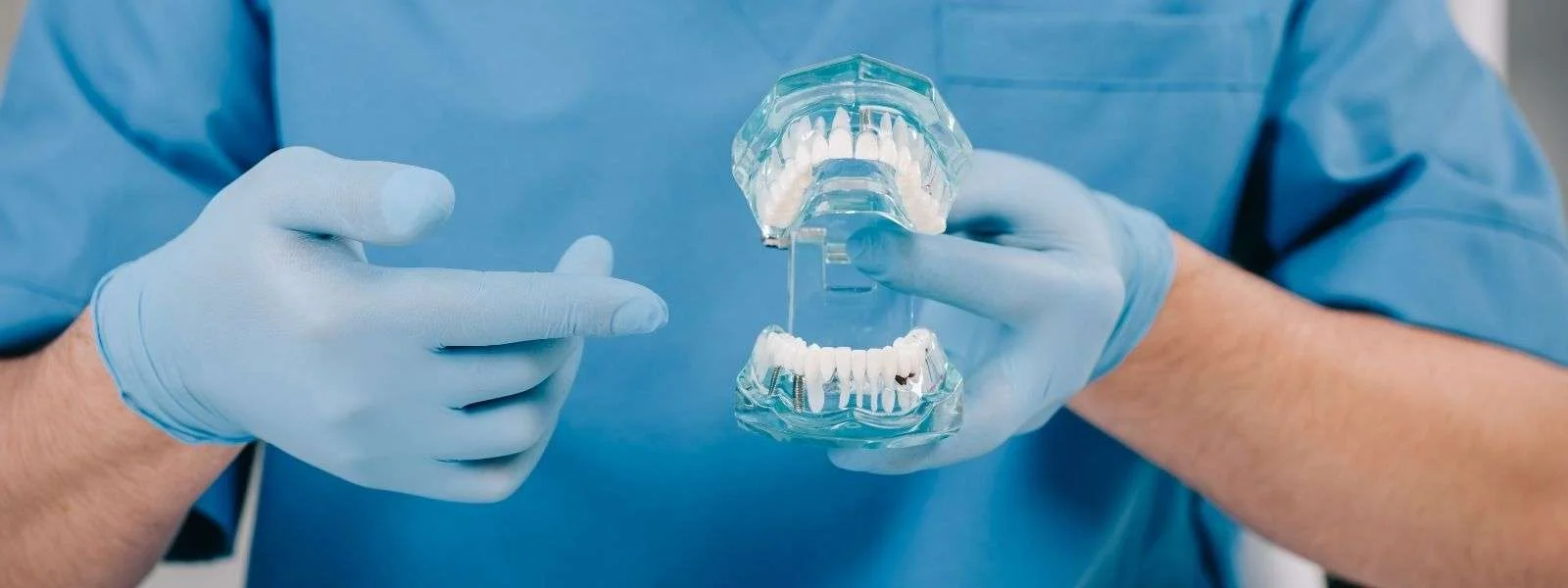
With over 500,000 dental implants placed every year, this advanced dental procedure is quickly becoming the most popular way to replace missing teeth! It's the only option that restores teeth both above and below the gumline. This gives it unmatched longevity, comfort, and function while improving your health and appearance. To help as many people as possible rebuild their smile, there are two types of dental implants. Dr. Ivan Chan at Glendale Dental Wellness explains the differences between them and how to tell which is right for you.
What Are Dental Implants?
Dental implants are anchored into your smile below the gumline with a small titanium post. Titanium is biocompatible, so it won't cause any irritation as the tissues heal around it. Attached to the topo of the post is a custom-made restoration made of dental porcelain. This material is well-known for how much it looks like healthy tooth enamel, allowing it to blend in seamlessly with the rest of your smile.
Endosteal Dental Implants
The most common type of dental implant is an endosteal implant. These are placed directly into your jawbone. Over the course of several months, the titanium post will fuse with the surrounding bone to form a rock-solid foundation. You're most likely to be a good candidate for endosteal dental implants if you:
- Are missing one or more teeth: Endosteal dental implants are sturdy enough to retain crowns, dental bridges, or dentures depending on how many teeth you're missing.
- Have adequate jawbone tissue and healthy gums: You'll need to have enough jawbone tissue for your endosteal implant to fuse to, as well as healthy gum tissue for proper healing.
- Are in good overall health: Placing endosteal implants is a surgical procedure, so your implant dentist will review your medical history with you to ensure you're healthy enough for the procedure.
Subperiosteal Dental Implants
The second type of dental implant is a subperiosteal implant. Instead of being surgically inserted into your jawbone, they rest just above it. The shorter titanium posts are held in place by a thin layer of tissue between the bone and gums, known as the periosteum. Subperiosteal dental implants may be a good choice for those who:
- Don't have enough natural jawbone: If you don't have enough bone tissue for an endosteal dental implant to fuse with, subperiosteal implants are a great alternative.
- Have healthy gum tissue: Healthy gum tissue is critical to ensuring your subperiosteal implant stays in place. Your implant dentist can help you overcome gingivitis to get you ready for your new tooth.
- Don't want to or cannot undergo bone grafting: If you can't or don't want to undergo bone augmentation to support endosteal implants, you may benefit from subperiosteal implants.
The best way to decide which dental implant option is right for you is to talk to your local Glendale implant dentist. After listening to your goals and concerns, they can help you choose the best method to rebuild your beautiful, confident smile!
About the Doctor
Dr. Ivan Chan is a compassionate and skilled dentist who is passionate about improving oral health and enhancing smiles in the Glendale community. A third-generation dentist, Dr. Chan grew up in a family of dental professionals, fueling his early interest in the field. He earned his undergraduate degree in Biology from the University of California, San Diego, and later graduated from the University of California, San Francisco with a Doctor of Dental Surgery degree. There, he gained comprehensive training in preventative, restorative, cosmetic, and implant dentistry.
In addition to his private practice, Dr. Chan dedicates time to volunteer work on mission trips, including serving on the USNS Mercy Hospital Ship with the US Navy and providing dental care in underserved communities in Tijuana and Ensenada, Mexico. These experiences have strengthened his commitment to making dental care accessible to everyone.
Outside of dentistry, Dr. Chan enjoys basketball, exploring local breweries, and traveling. He believes in the importance of maintaining a healthy work-life balance for both personal and professional growth.
To discover which dental implant is best for you, he can be reached via his website or at (818) 243-3838.
Frequently Asked Questions
Am I a good candidate for dental implants?
Most adults with good general health are candidates for dental implants. Adequate jawbone density is important, but even patients with bone loss may qualify with bone grafting. Schedule a consultation with Dr. Chan for a personalized assessment.
Do dental implants look natural?
Yes, dental implants are designed to look, feel, and function exactly like natural teeth. The crown is custom-matched to the color, shape, and size of your surrounding teeth for a seamless, natural appearance.
What happens if I don't replace a missing tooth?
Leaving a gap can lead to bone loss, shifting of adjacent teeth, bite problems, and difficulty chewing. Dental implants prevent these complications by preserving jawbone structure and maintaining proper tooth alignment.
Is dental implant surgery painful?
Most patients report minimal discomfort during and after the procedure. Local anesthesia and sedation options ensure you're comfortable throughout. Post-operative discomfort is typically manageable with over-the-counter pain relievers.
How do I care for dental implants?
Care for dental implants just like natural teeth--brush twice daily, floss daily, and attend regular dental check-ups. Avoid chewing on hard objects and consider wearing a nightguard if you grind your teeth.
Related Articles
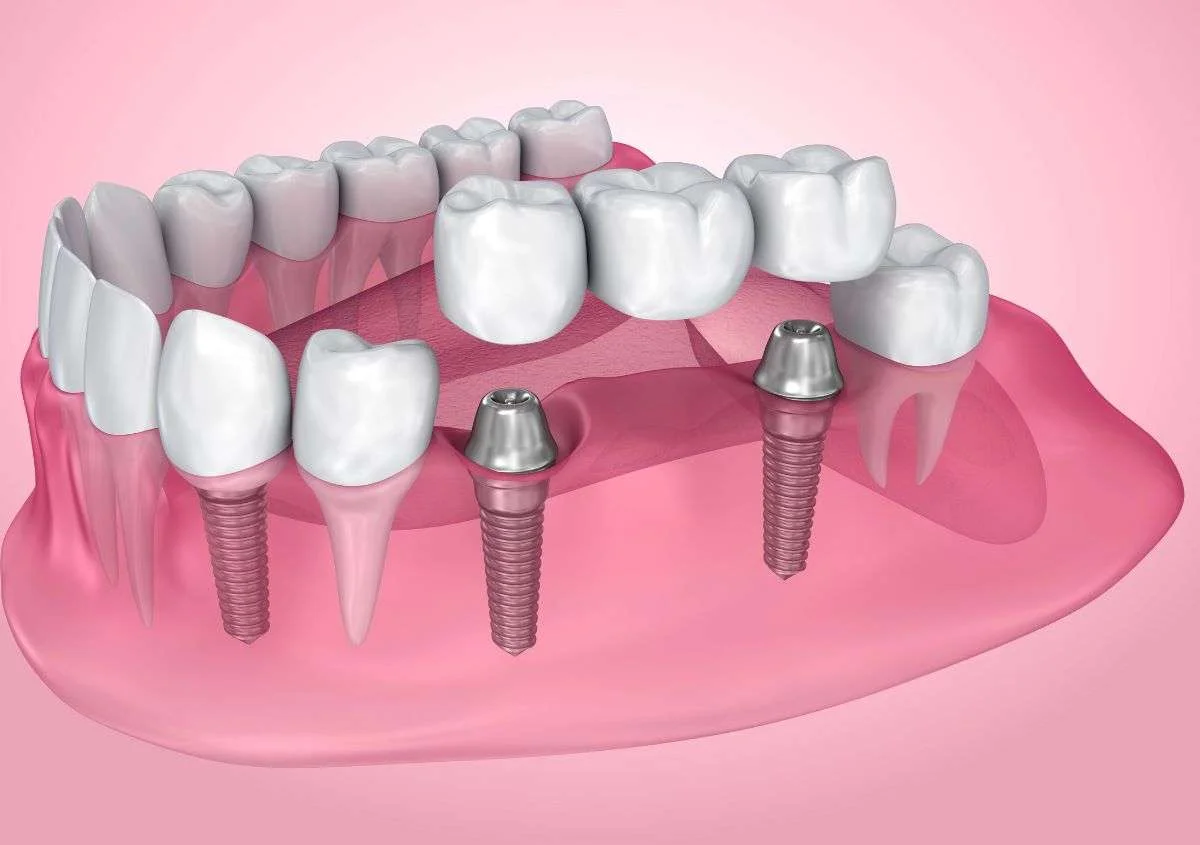
How Your Dentist Addresses Safety Concerns Surrounding Dental Implants
Dental implants are a highly effective and long-lasting solution for replacing missing teeth. However, due to the surgical nature of the procedure, ma...
Read More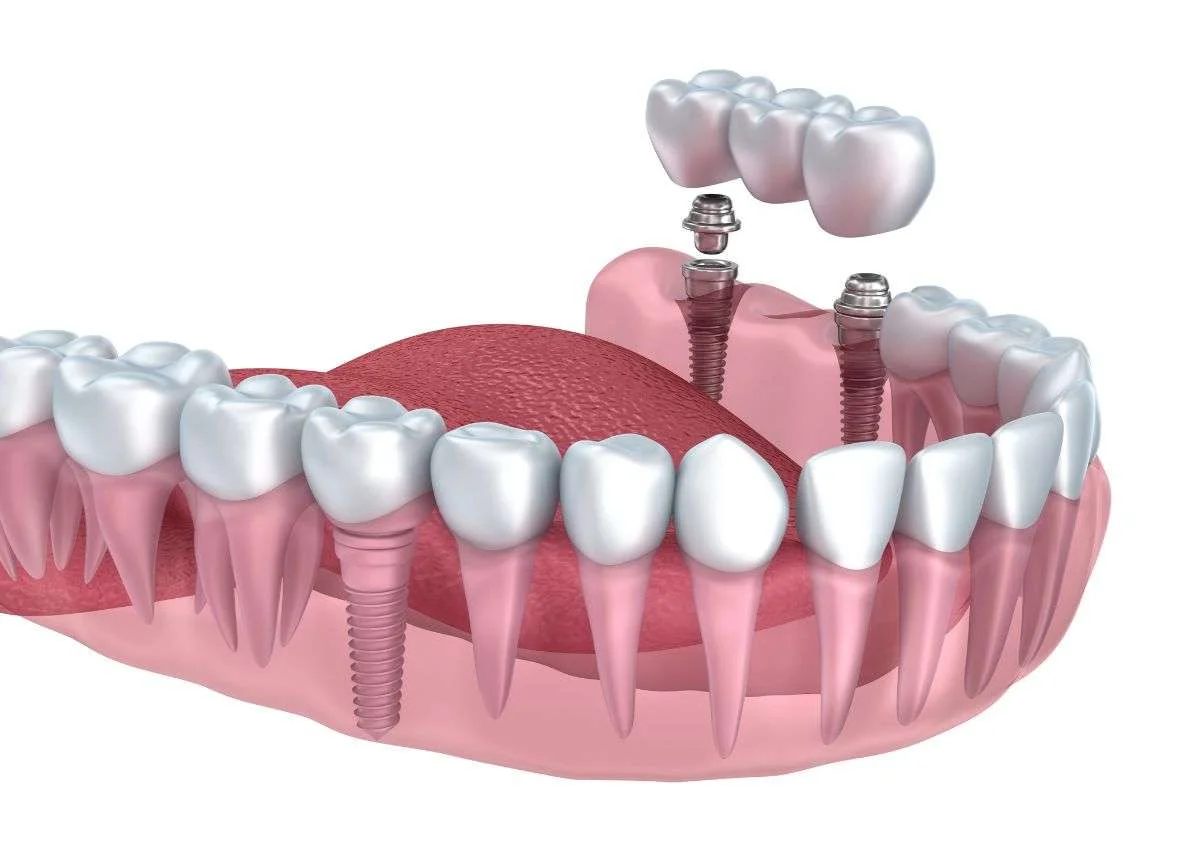
5 Myths About Dental Implants Debunked in Glendale, CA
Are you considering dental implants but hesitant because of things you've heard. At Glendale Dental Wellness, Dr Ivan Chan understands that misconcep...
Read More
5 Ways Not Replacing a Missing Tooth Can Harm Your Dental Health
Losing even a single tooth might seem like a minor issue, but failing to replace it can significantly impact your dental health. Dr
Read More