PREVENTIVE CARE
Oral Cancer Screenings
Early Detection That Saves Lives
Oral cancer often develops silently, showing few or no symptoms in its early stages. Unfortunately, this can make it one of the most dangerous oral health conditions. The good news is that when caught early, oral cancer is highly treatable. At Glendale Dental Wellness, Dr. Ivan Chan includes oral cancer screenings as part of every comprehensive exam, giving patients peace of mind and the advantage of early detection.
Our goal is simple: protect not only your smile but also your overall health by identifying warning signs before they become serious.
Why Oral Cancer Screenings Matter
Oral cancer can affect the lips, tongue, cheeks, throat, and other soft tissues of the mouth. According to the Oral Cancer Foundation, nearly 54,000 Americans are diagnosed each year, and early diagnosis dramatically improves treatment outcomes and survival rates.
Unlike many other oral health issues, oral cancer can be life-threatening if not caught early. Symptoms are often subtle and easily overlooked, which is why professional screening is essential. Risk factors include tobacco and alcohol use, HPV exposure, and age (most cases occur in people over 40).
By including oral cancer screening in routine dental visits, we ensure that warning signs are caught as early as possible, when treatment is most effective.
What to Expect During an Oral Cancer Screening
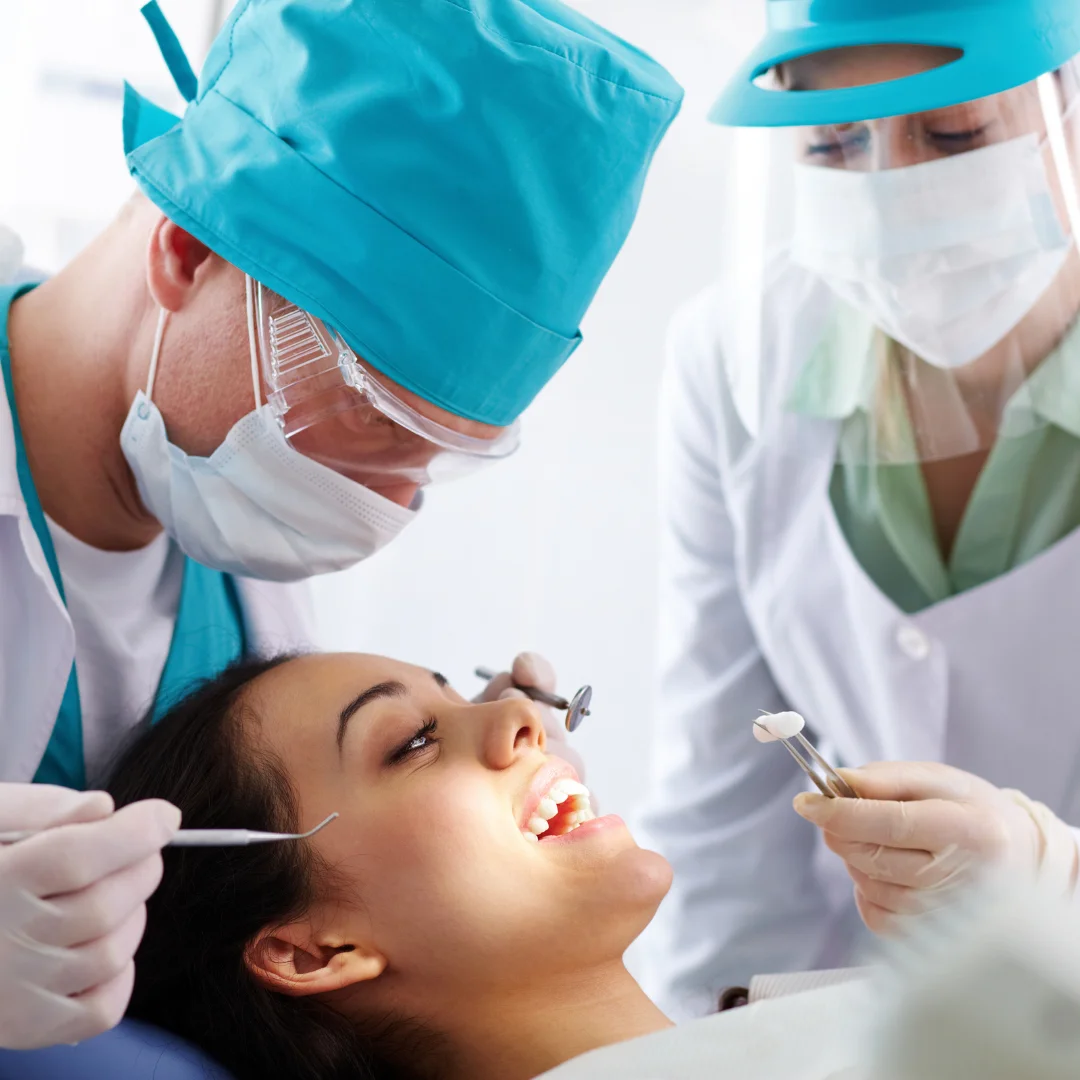
During your comprehensive exam, Dr. Chan performs a thorough visual and physical examination of your mouth. The screening is painless, non-invasive, and takes just a few minutes.
Visual Tissue Inspection
Dr. Chan carefully examines all oral tissues (including the lips, tongue, cheeks, palate, and throat) looking for abnormalities, discoloration, or suspicious lesions that may require further evaluation.
Neck and Lymph Node Palpation
A gentle physical examination of the neck, jaw, and lymph nodes helps detect lumps, swelling, or tenderness that could indicate early-stage changes requiring attention.
Soft Tissue Assessment
The tongue, cheeks, palate, and throat are assessed for any sores, white or red patches, or unusual tissue changes that may warrant monitoring or additional testing.
Lesion Evaluation
Any existing sores, patches, or tissue irregularities are carefully documented and evaluated. If areas of concern are found, Dr. Chan discusses options including further monitoring or advanced diagnostic testing.
Advanced Screening Technology
Our office utilizes advanced diagnostic tools to enhance detection beyond what the naked eye can see, giving us a significant advantage in catching oral cancer at its most treatable stage.
Risk Factor Discussion
Dr. Chan reviews your individual risk factors and educates you on symptoms to watch for at home, empowering you to be proactive about your oral health between regular visits.
Risk Factors for Oral Cancer
Understanding your risk factors is an important part of prevention. Even without risk factors, regular screening is still essential, oral cancer can develop in anyone.
Smoking or chewing tobacco significantly increases the risk of developing oral cancer and other serious oral health conditions.
Excessive alcohol use is a known risk factor, especially when combined with tobacco use, which multiplies the risk substantially.
Human Papillomavirus (HPV) is increasingly linked to oral cancers, particularly those affecting the back of the throat and tongue base.
Prolonged, unprotected sun exposure to the lips increases the risk of lip cancer. SPF lip balm provides important protection.
While oral cancer can occur at any age, risk increases significantly after 40, making regular screenings during routine exams even more important.
A previous oral cancer diagnosis or family history of oral cancer places you at higher risk and may warrant more frequent screening.
Prevention Tips
While screening is essential for early detection, prevention plays an equally important role. You can reduce your risk with these proactive steps.
Avoid Tobacco and Limit Alcohol
Eliminating tobacco use and reducing alcohol consumption are two of the most effective steps you can take to lower your oral cancer risk.
Protect Your Lips from the Sun
Apply SPF lip balm before spending time outdoors. Chronic sun exposure to the lips is a preventable risk factor for lip cancer.
Maintain Excellent Oral Hygiene
Good daily oral care (including brushing, flossing, and regular professional cleanings) supports overall oral health and helps you stay aware of changes in your mouth.
Eat a Nutrient-Rich Diet
A diet rich in fruits and vegetables provides antioxidants and nutrients that support your immune system and may reduce cancer risk.
Consider HPV Vaccination
The HPV vaccine can help prevent HPV-related oral cancers. Talk to your healthcare provider about whether vaccination is appropriate for you or your family.
Schedule Regular Dental Exams
Routine dental checkups with Dr. Chan include oral cancer screening, ensuring that any changes are caught early when treatment is most effective.
When Should You Get Screened?
We recommend oral cancer screening as part of every comprehensive dental exam. If you notice any of these warning signs, schedule an appointment right away, early detection truly saves lives.
Sores or lesions in the mouth that don't heal within two weeks should be evaluated promptly by Dr. Chan.
Unusual white or red patches on the gums, tongue, or other oral tissues can be early warning signs that need professional assessment.
Persistent difficulty with chewing or swallowing that doesn't resolve on its own warrants immediate evaluation.
Unexplained persistent pain, numbness, or tenderness in the mouth, lips, or face should not be ignored.
Hoarseness or a change in voice that persists for more than two weeks may indicate an issue requiring screening.
Unexplained swelling of the jaw or neck could signal a deeper issue. Contact our office to schedule an evaluation.
Frequently Asked Questions
What is oral cancer?
Oral cancer is cancer that develops in the tissues of the mouth, including the lips, tongue, cheeks, throat, and other soft tissues. It's important to catch it early because when detected in early stages, treatment is more effective and survival rates are significantly higher.
How often should I get an oral cancer screening?
We recommend oral cancer screening as part of every routine dental exam (typically every 6 months). However, if you have risk factors such as tobacco or alcohol use, we may recommend more frequent screenings. Always inform Dr. Chan about any new symptoms or concerns.
Are oral cancer screenings painful?
No, oral cancer screenings are painless and non-invasive. The screening is performed during your regular dental exam and takes just a few minutes. Dr. Chan will perform a visual inspection and gentle palpation of your oral tissues and neck.
What if something abnormal is found during my screening?
If Dr. Chan identifies any areas of concern during your screening, he will discuss the findings with you and recommend next steps. This may include additional monitoring, further testing, or referral to a specialist for evaluation. Early detection makes a significant difference in treatment outcomes.
Who is at risk for oral cancer?
While anyone can develop oral cancer, certain factors increase your risk, including tobacco use, heavy alcohol consumption, HPV infection, sun exposure to lips, age over 40, and a family history of oral cancer. However, oral cancer can develop in people without any risk factors, which is why regular screening is important for everyone.
Can oral cancer be prevented?
While there's no guaranteed way to prevent oral cancer, you can significantly reduce your risk by avoiding tobacco, limiting alcohol, protecting your lips from sun exposure, maintaining excellent oral hygiene, eating a healthy diet rich in fruits and vegetables, and getting vaccinated against HPV if eligible. Regular dental exams and screenings are also essential.