If you don't have dental insurance, what would you do if you found yourself with a broken, painful, or knocked-out tooth? Thankfully, just because you don't have dental benefits doesn't mean you can't get the urgent care you need right away. Knowing what your options are ahead of time can help lower your costs and reduce stress if an emergency strikes. Here are three tips for handling dental emergencies if you don't have dental insurance.
Tip #1: Know What Counts As An Emergency
While any dental emergency needs to be addressed by a dentist right away, some situations are more urgent than others. For example, you should seek immediate attention from your dentist if you have a:
- Loose or knocked-out tooth
- Severely damaged tooth
- Intense toothache that's lasted more than a day
- Painful swelling in the mouth
Dental emergencies that are considered less urgent include:
- Lost fillings, crowns, or bridges
- Slightly cracked or chipped teeth
- Dull toothaches or tooth sensitivity
- Damaged retainers or dentures
However, you should go directly to your local emergency room if you experience:
- Dislocated or broken jaw
- Incessant bleeding that hasn't stopped in 10 minutes
- Swelling in the mouth that's making it difficult to swallow or breathe
Understanding just how serious your issue is can help you make the right choice for both your wallet and your health. If you're not sure how urgent your situation is, don't hesitate to contact your dentist for first-aid advice.
Tip #2: Familiarize Yourself with Your Dentist's Payment Options
Gathering as much information ahead of time as possible can take a significant amount of stress and chaos out of handling a dental emergency. First, you need to know where to go. If you don't see a dentist regularly, make sure you know which dental office you would go to for emergency care and what their services and emergency appointments are like. Have their address and phone number somewhere easy to access so you can contact them right away.
Then, whether you've chosen a familiar dentist or one you haven't visited before, take the time to learn more about their payment options. In most cases, dentists use CareCredit to help make treatments more affordable for their patients. This third party offers financing plans that can break down the cost of your emergency care into smaller payments that fit into your monthly budget. CareCredit is an excellent way to pay for dental services when you don't have dental insurance.
Tip #3: Don't Put Off the Care You Need
If you don't have dental insurance, you may be tempted to handle your dental emergency on your own. However, this can easily cost you far more in the long run! Since teeth can't heal themselves like the rest of the body, leaving serious oral health issues untreated will allow them to progress into far more serious, painful, damaging, and expensive problems. Generally, the sooner an issue is treated, the less expensive it will be. Remember, call your dentist right away if you have a dental emergency for recommendations on how to best handle your unique situation.
Of course, the best way to save money on dental emergencies is to prevent them from happening in the first place! Make sure you're practicing great oral hygiene habits, eating a nutritious diet, and not using your teeth to open packages or bottles.
Patients from Burbank, Pasadena, and Los Feliz rely on Dr. Ivan Chan at Glendale Dental Wellness for emergency dental care, flexible payment options, and same-day appointments when urgent treatment is needed.
Ready to schedule your appointment? Call us at (818) 243-3838 or request an appointment online.
Frequently Asked Questions
Are electric toothbrushes better than manual ones?
Electric toothbrushes can be more effective at removing plaque and reducing gingivitis. They're especially helpful for people with limited dexterity. However, a manual toothbrush used properly with good technique is also effective.
How does diet affect my dental health?
A balanced diet rich in calcium, vitamins, and minerals supports strong teeth and gums. Limit sugary and acidic foods that can erode enamel and promote cavities. Drinking water throughout the day helps rinse away bacteria.
What are the signs of gum disease?
Common signs include red, swollen, or bleeding gums, persistent bad breath, receding gums, loose teeth, and pain when chewing. Early detection is key--schedule a check-up if you notice any of these symptoms.
How often should I visit the dentist?
The American Dental Association recommends visiting your dentist at least twice a year for routine check-ups and cleanings. Patients with specific dental conditions may need more frequent visits as recommended by Dr. Chan.
What should I do in a dental emergency?
For dental emergencies, contact Glendale Dental Wellness immediately at (818) 243-3838. For a knocked-out tooth, keep it moist and see a dentist within 30 minutes. For severe pain, rinse with warm salt water and apply a cold compress.
Related Articles

Affected by the CPAP Recall? 4 Reasons to Make the Switch to Oral Appliance Therapy
In 2021, Philips Respironics BiPAP and CPAP machines were recalled due to the chemicals in the foam that helped reduce sound and vibrations breaking d...
Read More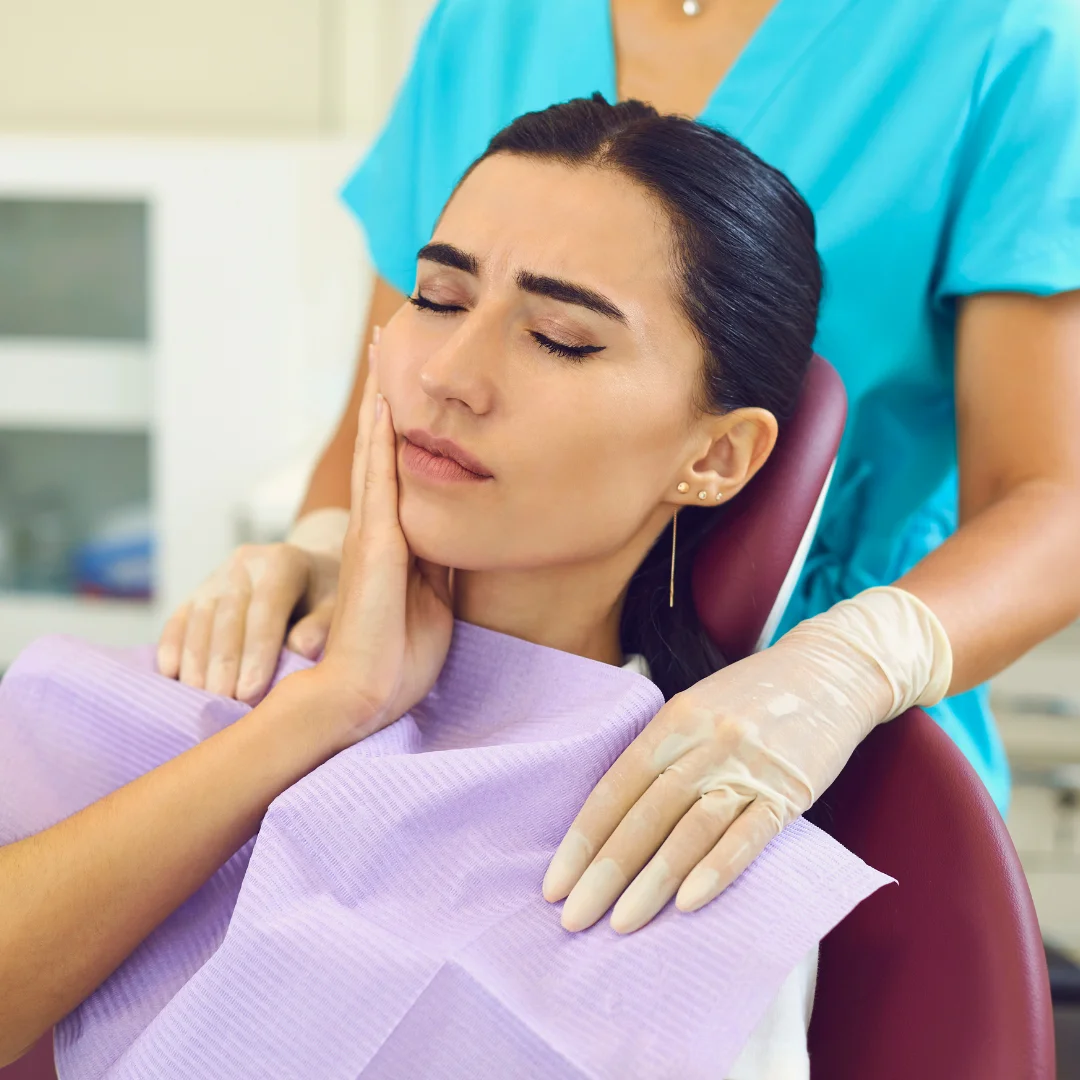
4 Causes of Facial Pain Related to Your Oral Health
Are you experiencing facial pain that you feel could be a sign of a bigger problem. Not only can this affect your day-to-day life by making you live i...
Read More
What Should You Do as an Adult with a Loose Tooth?
Remember when you were little, and a loose tooth meant good news for your finances. Boy, things sure do change when you're an adult
Read More