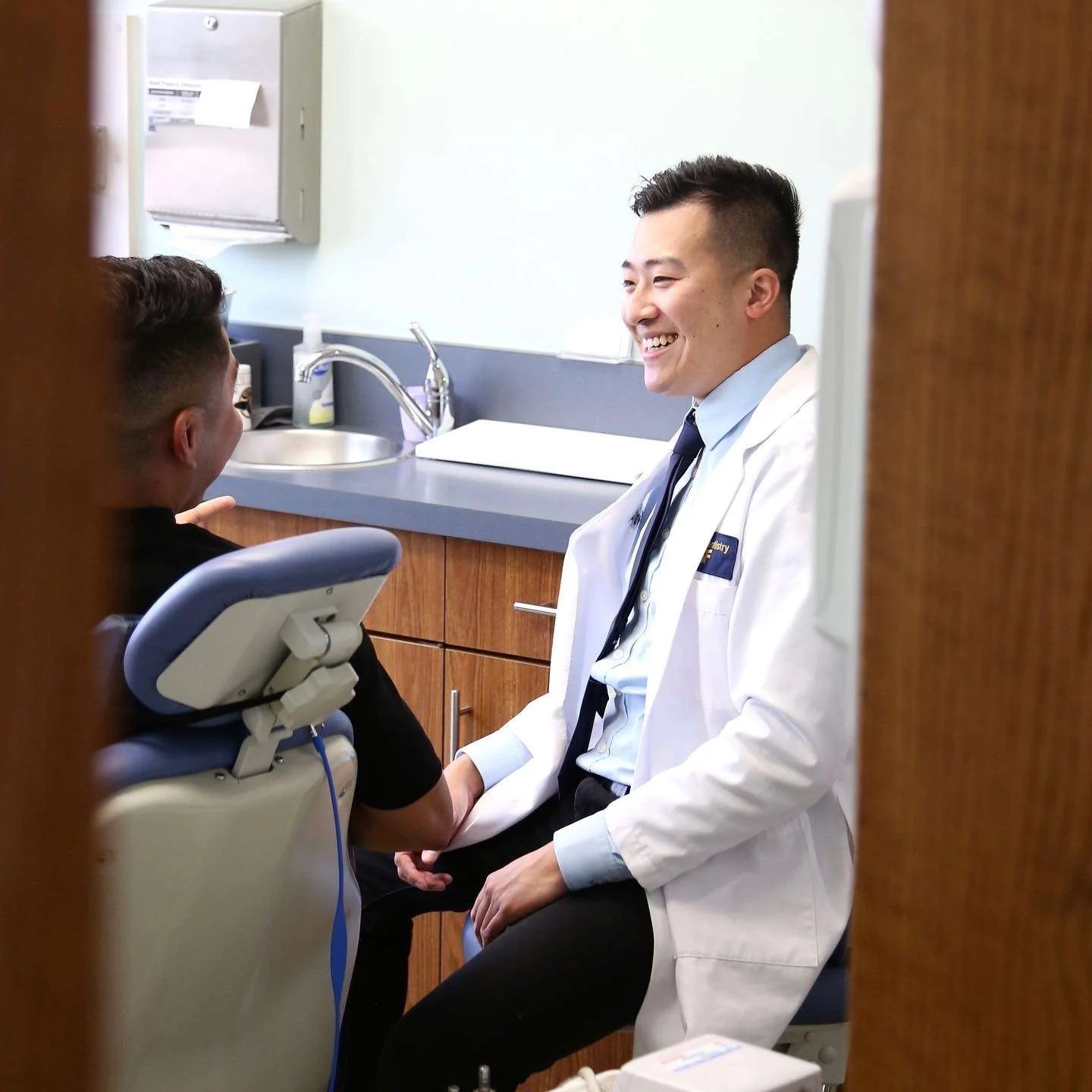
Remember when you were little, and a loose tooth meant good news for your finances? Boy, things sure do change when you're an adult. If you can wiggle a tooth nowadays, it seems worrisome. There are all sorts of reasons why an adult tooth could be loose, such as periodontal disease, tooth decay, or a dental injury. If you act quickly, your emergency dentist in Glendale still is able to save it. Continue reading to learn the steps you should take if you have a loose permanent tooth.
See Your Emergency Dentist ASAP
You should give your dentist a call to schedule an appointment as soon as possible. The longer you go without addressing your loose tooth, the harder it could be for your dentist to save it. You should try to receive treatment in 24 hours or less to give your dentist the best chance of restoring your smile to full health.
Don't Make the Situation Worse
It may be tempting but don't wiggle your loose tooth with your tongue. If you do, it will only make the issue worse. Don't chew with it or touch it with your fingers. Even if you think your dentist will need to extract it, you shouldn't try to pull it out yourself. This can increase your risk of developing an infection.
Hold Your Tooth by the Crown if It Falls Out
If your tooth ends up falling out before you can get to your dentist's office, you should only touch it by the crown or chewing surface. You don't want to cause any additional damage to the root. Rinse away any dirt and debris with water and place the tooth back into the socket.
If you cannot keep it there, place it in your cheek or a glass of milk (not water). You need to see your dentist within an hour to increase the chances of saving your tooth.
Rinse to Ensure the Area Is Clean
You shouldn't brush your wiggly tooth because you could end up making it even looser. However, you still want to be sure the area is clean. Instead of using your toothbrush and toothpaste, rinse the area with warm water. This will help to wash away particles from the loose tooth and control bacterial accumulation.
Eat with Caution
If you have a loose tooth, it doesn't mean you cannot eat. Just be careful not to chew on the side of your mouth where the loose tooth is. Stick to softer foods like scrambled eggs, mashed potatoes, and apple sauce. Avoid sticky, chewy, and hard foods.
When an adult has a loose tooth, it requires dental attention ASAP. Acting quickly to seek treatment from your emergency dentist increases your chances of saving it!
Patients from Burbank, Pasadena, and La Crescenta count on Dr. Ivan Chan at Glendale Dental Wellness for emergency dental care, including treatment for loose or knocked-out teeth. If your tooth cannot be saved, dental implants offer a reliable long-term replacement.
Ready to schedule your appointment? Call us at (818) 243-3838 or request an appointment online.
Frequently Asked Questions
What causes tooth sensitivity?
Tooth sensitivity can be caused by worn enamel, exposed tooth roots, cavities, cracked teeth, or gum disease. If you experience persistent sensitivity, schedule an appointment with Dr. Chan for a thorough evaluation.
Are electric toothbrushes better than manual ones?
Electric toothbrushes can be more effective at removing plaque and reducing gingivitis. They're especially helpful for people with limited dexterity. However, a manual toothbrush used properly with good technique is also effective.
How does diet affect my dental health?
A balanced diet rich in calcium, vitamins, and minerals supports strong teeth and gums. Limit sugary and acidic foods that can erode enamel and promote cavities. Drinking water throughout the day helps rinse away bacteria.
What are the signs of gum disease?
Common signs include red, swollen, or bleeding gums, persistent bad breath, receding gums, loose teeth, and pain when chewing. Early detection is key--schedule a check-up if you notice any of these symptoms.
How often should I visit the dentist?
The American Dental Association recommends visiting your dentist at least twice a year for routine check-ups and cleanings. Patients with specific dental conditions may need more frequent visits as recommended by Dr. Chan.
Related Articles
Affected by the CPAP Recall? 4 Reasons to Make the Switch to Oral Appliance Therapy
In 2021, Philips Respironics BiPAP and CPAP machines were recalled due to the chemicals in the foam that helped reduce sound and vibrations breaking d...
Read More
4 Causes of Facial Pain Related to Your Oral Health
Are you experiencing facial pain that you feel could be a sign of a bigger problem. Not only can this affect your day-to-day life by making you live i...
Read More
The Stages & Treatment Methods of Oral Cancer
Your biannual dental visits are vital to your oral health. Not only do they keep your teeth and gums in their best condition, but they also give your...
Read More