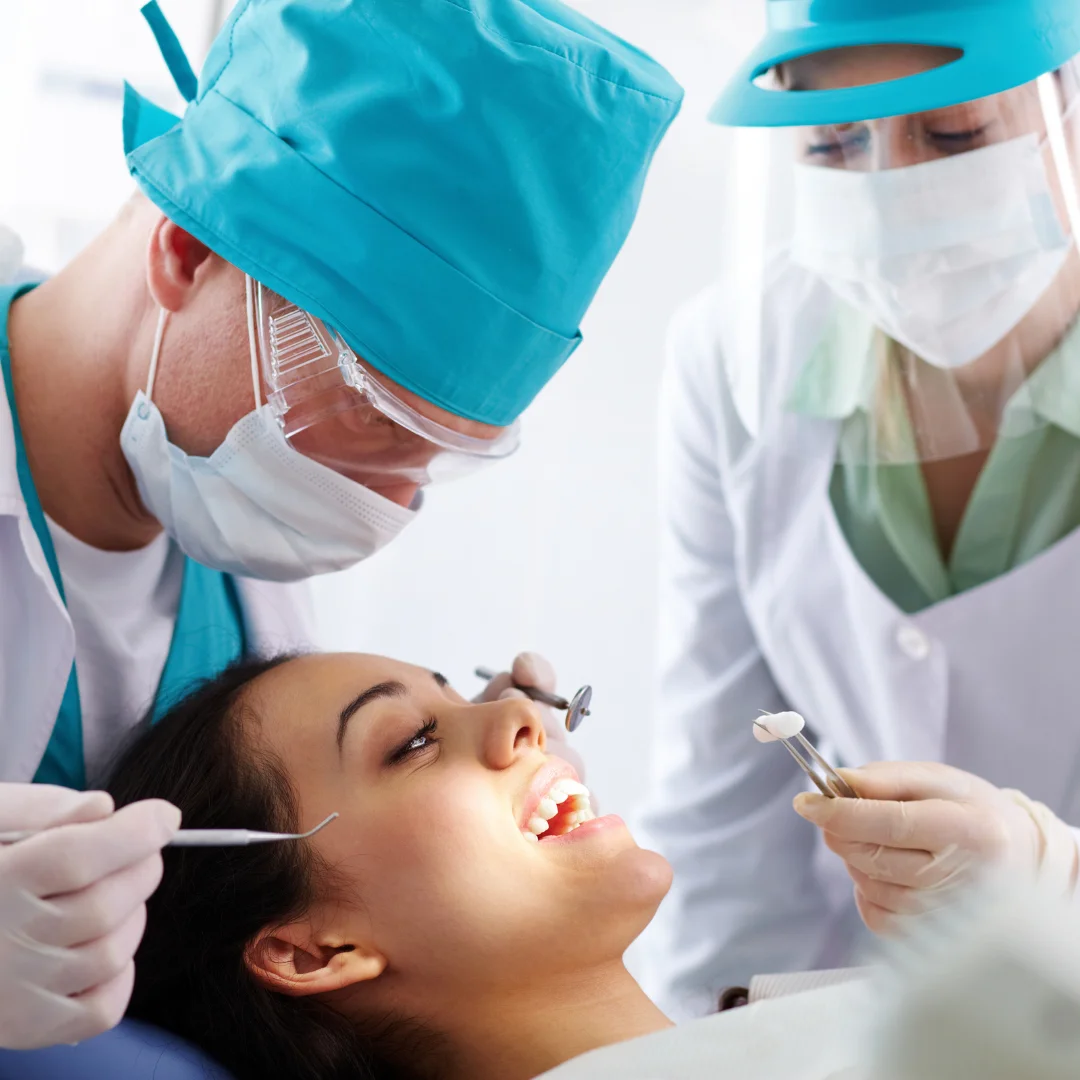
Your biannual dental visits are vital to your oral health. Not only do they keep your teeth and gums in their best condition, but they also give your dentist a chance to catch any issues before they become more serious. An important part of this exam is to give you an oral cancer screening. There are more than 49,000 cases of this condition every year in the U.S. so it's essential that your dentist keeps track of your situation in case something changes. Continue reading to learn about the stages of oral cancer and the kinds of treatments available!
The Stages of Oral Cancer
As with any type of cancer, oral cancer progresses in stages. This is why preventive care is so important--it gives your dentist the opportunity to catch it before it can progress. If some signs of oral cancer are found during your screening, then they will assign which stage you're on. There are five phases in total. They are as follows:
- Stage 0: This is the very start of the scale, which describes unusual cells in the lining of your lips or oral cavity with the potential to become cancer.
- Stage 1: As an early phase of cancer, the tumor is no more than two centimeters. It also hasn't reached the lymph nodes.
- Stage 2: The tumor is now larger than two centimeters but not more than four.
- Stage 3: The cancer is now more than four centimeters or has reached a lymph node in the neck.
- Stage 4: This is the most advanced phase of oral cancer, where the size of the tumor varies, but it's spread much further. It can reach either nearby tissue (jaw or other parts of the mouth), a large lymph node beside or opposite the tumor (or multiple lymph nodes), or beyond the mouth, such as the lungs.
What Are the Treatments Methods?
The recommended treatment methods for oral cancer will depend entirely on the stage and location of the tumor at diagnosis. One major option is to perform surgery to remove the tumor and cancerous lymph nodes. Several forms of therapy--like radiation, targeted, and chemotherapy--specifically focus on and eliminate the cancer cells, often in combination with each other.
An important part of helping with your treatment and recovery is to eat nutrient-rich foods. Since you'll have to remain cautious with your mouth and throat, it is wise to ask your dentist about which foods could be most helpful. Also, maintaining good dental hygiene is essential for healing from and preventing oral cancer.
Taking the time to visit every six months will not only keep your smile bright and healthy but protect you from any advancement of more serious issues like oral cancer. The sooner you catch anything, the quicker you can get the treatment you need.
Patients from Burbank, Pasadena, and Los Feliz trust Dr. Ivan Chan at Glendale Dental Wellness for thorough checkups that include oral cancer screenings. Early detection is one of the most important steps you can take to protect your health.
Ready to schedule your appointment? Call us at (818) 243-3838 or request an appointment online.
Frequently Asked Questions
What should I do in a dental emergency?
For dental emergencies, contact Glendale Dental Wellness immediately at (818) 243-3838. For a knocked-out tooth, keep it moist and see a dentist within 30 minutes. For severe pain, rinse with warm salt water and apply a cold compress.
How can I improve my oral health at home?
Brush twice daily with fluoride toothpaste, floss daily, use an antimicrobial mouthwash, limit sugary foods and drinks, don't smoke, and stay hydrated. These habits form the foundation of excellent oral health.
What causes tooth sensitivity?
Tooth sensitivity can be caused by worn enamel, exposed tooth roots, cavities, cracked teeth, or gum disease. If you experience persistent sensitivity, schedule an appointment with Dr. Chan for a thorough evaluation.
Are electric toothbrushes better than manual ones?
Electric toothbrushes can be more effective at removing plaque and reducing gingivitis. They're especially helpful for people with limited dexterity. However, a manual toothbrush used properly with good technique is also effective.
How does diet affect my dental health?
A balanced diet rich in calcium, vitamins, and minerals supports strong teeth and gums. Limit sugary and acidic foods that can erode enamel and promote cavities. Drinking water throughout the day helps rinse away bacteria.
Related Articles

Affected by the CPAP Recall? 4 Reasons to Make the Switch to Oral Appliance Therapy
In 2021, Philips Respironics BiPAP and CPAP machines were recalled due to the chemicals in the foam that helped reduce sound and vibrations breaking d...
Read More
4 Causes of Facial Pain Related to Your Oral Health
Are you experiencing facial pain that you feel could be a sign of a bigger problem. Not only can this affect your day-to-day life by making you live i...
Read More
What Should You Do as an Adult with a Loose Tooth?
Remember when you were little, and a loose tooth meant good news for your finances. Boy, things sure do change when you're an adult
Read More