In 2021, Philips Respironics BiPAP and CPAP machines were recalled due to the chemicals in the foam that helped reduce sound and vibrations breaking down and causing long-term health problems. It impacted over 2 million people in the country because they needed to either search for a new device or wait for theirs to be repaired or replaced by the company. If you were affected by this recall, you may have considered a safer, more reliable treatment option for sleep apnea, like oral appliance therapy. Read on to learn four reasons why you should make the switch to oral appliance therapy.
Easy to Travel With
Oral appliances are a great option if you find yourself on the go. Instead of having to drag around a bulky CPAP device when you visit family and stay at hotels, all you'll need to do is secure your appliance in a hard, protective case and pack it in your suitcase with all of your other belongings. This can also minimize your time in the TSA line since it's a simple mouthguard.
Noise-Free Appliances
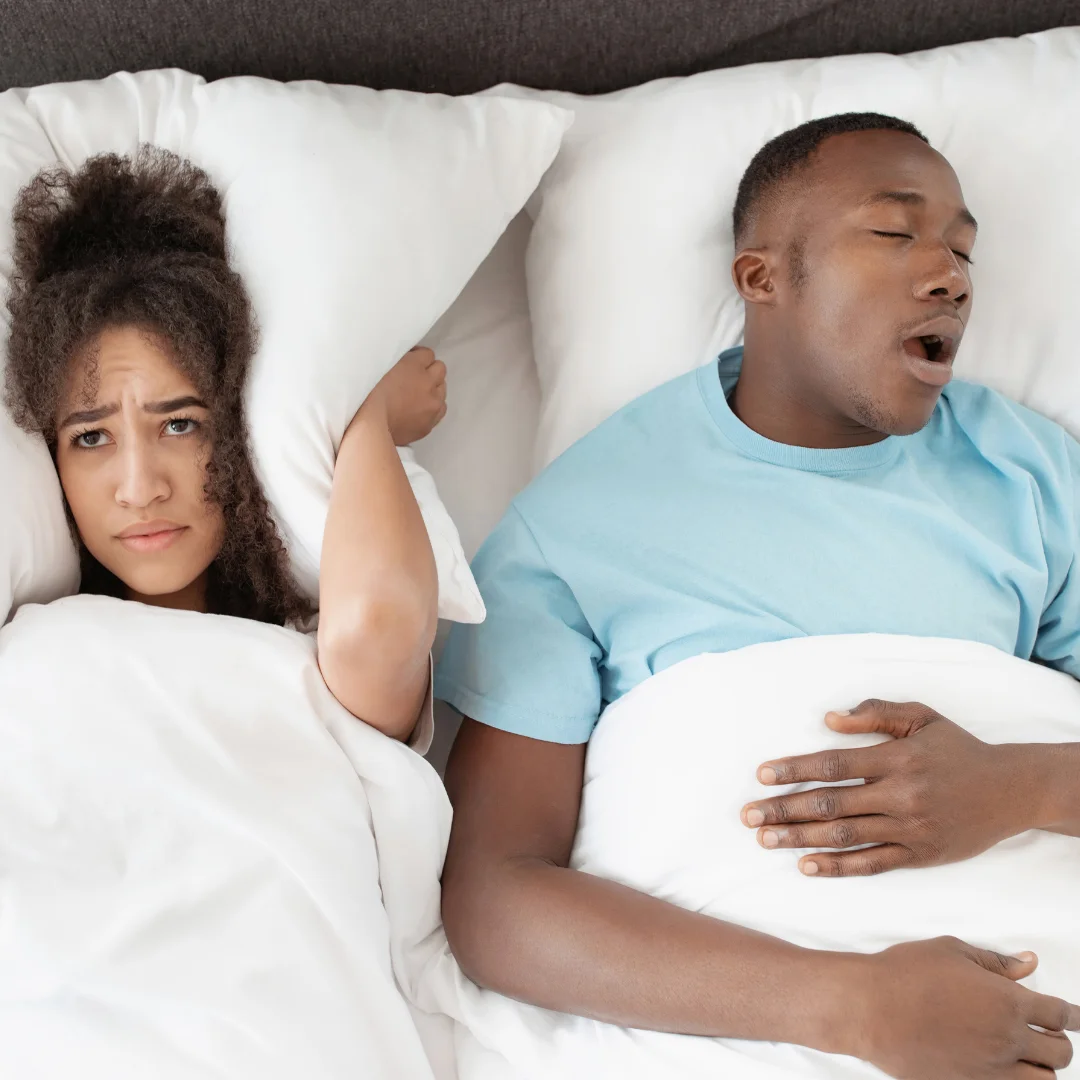
One of the biggest complaints about CPAP devices is that they make noise, which can make it difficult to fall asleep. In fact, that's why Philips Respironics noise-reducing foam that got recalled was necessary. When you choose oral appliance therapy, you won't have to worry about putting a bulky mask on your face or doing your best to fall asleep to a noisy machine sitting directly next to you. All you do is simply place it in your mouth.
FDA-Approved Appliance Designs
The FDA has approved countless oral appliance designs for the treatment of sleep apnea. In fact, the American Academy of Sleep Medicine, as well as the American Academy of Dental Sleep Medicine, also recognize oral appliance therapy as an alternative treatment for sleep apnea for patients who aren't able to tolerate CPAP therapy.
With dozens of different designs to choose from, patients are able to address their specific needs in a single, customized oral device.
Minimize Undesirable Side-Effects
CPAP devices are highly effective in relieving patients' sleep apnea symptoms. However, in many cases, they can cause undesirable side effects that can lead to daily discomfort and inconveniences, like headaches, dry mouth, nosebleeds, skin irritation, and even sinus infections.
When you choose oral appliance therapy, you can minimize the occurrence of undesirable effects from your sleep apnea treatment. This is because each one is custom-made for your oral anatomy, improving your comfort, all while addressing your symptoms.
Patients from Burbank, Pasadena, and La Crescenta visit Dr. Ivan Chan at Glendale Dental Wellness for personalized sleep apnea solutions, including oral appliance therapy.
Ready to schedule your appointment? Call us at (818) 243-3838 or request an appointment online.
Frequently Asked Questions
How often should I visit the dentist?
The American Dental Association recommends visiting your dentist at least twice a year for routine check-ups and cleanings. Patients with specific dental conditions may need more frequent visits as recommended by Dr. Chan.
What should I do in a dental emergency?
For dental emergencies, contact Glendale Dental Wellness immediately at (818) 243-3838. For a knocked-out tooth, keep it moist and see a dentist within 30 minutes. For severe pain, rinse with warm salt water and apply a cold compress.
How can I improve my oral health at home?
Brush twice daily with fluoride toothpaste, floss daily, use an antimicrobial mouthwash, limit sugary foods and drinks, don't smoke, and stay hydrated. These habits form the foundation of excellent oral health.
What causes tooth sensitivity?
Tooth sensitivity can be caused by worn enamel, exposed tooth roots, cavities, cracked teeth, or gum disease. If you experience persistent sensitivity, schedule an appointment with Dr. Chan for a thorough evaluation.
Are electric toothbrushes better than manual ones?
Electric toothbrushes can be more effective at removing plaque and reducing gingivitis. They're especially helpful for people with limited dexterity. However, a manual toothbrush used properly with good technique is also effective.
Related Articles
4 Causes of Facial Pain Related to Your Oral Health
Are you experiencing facial pain that you feel could be a sign of a bigger problem. Not only can this affect your day-to-day life by making you live i...
Read More
What Should You Do as an Adult with a Loose Tooth?
Remember when you were little, and a loose tooth meant good news for your finances. Boy, things sure do change when you're an adult
Read More
The Stages & Treatment Methods of Oral Cancer
Your biannual dental visits are vital to your oral health. Not only do they keep your teeth and gums in their best condition, but they also give your...
Read More